99%
of the world’s population lived where annual PM₂.₅ did not meet the WHO guideline level in 2023.
UNEP, updated 2026
Luftigt makes the invisible visible. We connect cleaner air, thoughtful places, and everyday wellbeing through useful education and practical action.
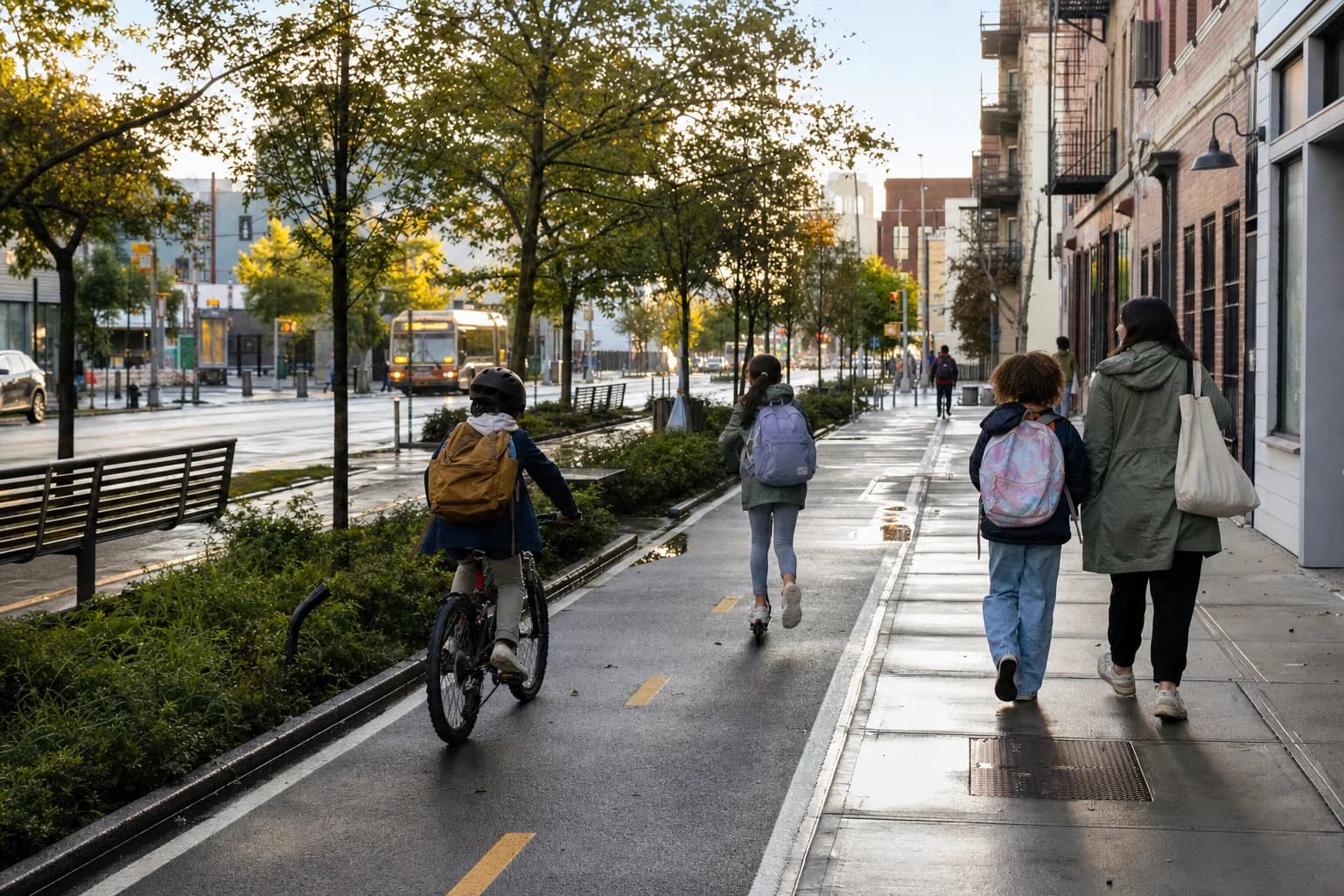
The next generation should inherit neighborhoods where clean, safe movement is ordinary.
Air is the first environment we enter and the one we share most intimately. Its quality shapes how comfortably we live, learn, work, move, and gather.
of the world’s population lived where annual PM₂.₅ did not meet the WHO guideline level in 2023.
UNEP, updated 2026premature deaths each year are associated with the combined effects of outdoor and household air pollution.
WHO, updated 2025is the WHO annual guideline level for PM₂.₅. It is a health-based recommendation, not a boundary between harmful and harmless.
WHO Guidelines, 2021“Air pollution” is a broad name for particles and gases with different sources and effects. These are among the most frequently monitored.
WHO pollutant guideTiny inhalable particles, often created by combustion. They can travel deep into the lungs and enter the bloodstream.
A gas commonly associated with fuel combustion in transport, heating, power, and industry. It can irritate airways.
A major part of smog, formed when other pollutants react in sunlight. It is different from the protective ozone layer above us.
A colorless, odorless toxic gas produced by incomplete combustion in stoves, engines, fires, and other sources.
It is room for light, airflow, movement, pause, nature, and one another. Useful space is less about luxury than dignity, connection, and access.
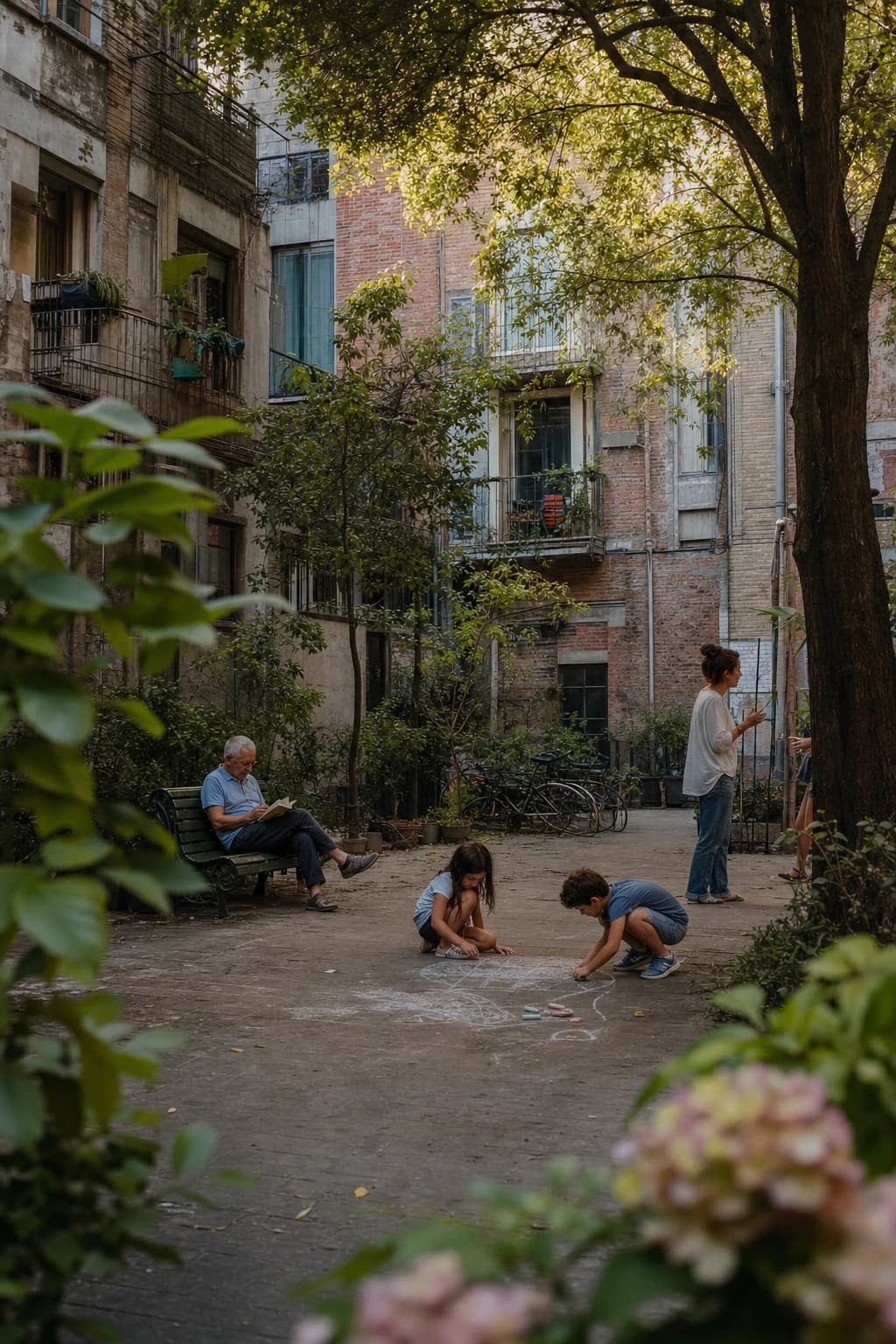
Space becomes a health resource when it means uncrowded homes, clean indoor air, and safe, accessible places to move, gather, and recover.
Bigger is not automatically better. Evidence supports reducing household crowding and expanding access to well-designed green and public space. Wellbeing should not be confused with luxury square footage or car-dependent sprawl.
Personal choices can reduce exposure and signal demand. Lasting clean air comes from coordinated changes in energy, transport, buildings, industry, waste, and city design.
Move power, heating, and industry toward renewable and lower-emission systems.
Reduce indoor smoke and combustion while improving safe, context-aware ventilation.
Build reliable public transit and safe, inviting routes for walking and cycling.
Shape compact, connected places with useful green space and room to gather.
Monitor air well, share the data clearly, and turn standards into accountable action.
Prevent open burning and make reduction, reuse, recycling, and safer disposal easier.
Ventilation can help, but opening windows is not always advisable during outdoor pollution episodes. Follow local guidance for the conditions where you are. Read WHO guidance
Begin with the fundamentals. These independent resources are rigorous enough to trust and clear enough to use.
Meet the particles and gases that shape the air we breathe.
Explore the relationships between nature, movement, social connection, and health.
See why adequate space and healthy housing conditions matter for people and communities.
We favor public-health guidance, institutional evidence, and plain language. Figures can reflect different measurement years and methods, so each stays attached to its source.
Sources reviewed July 31, 2026.
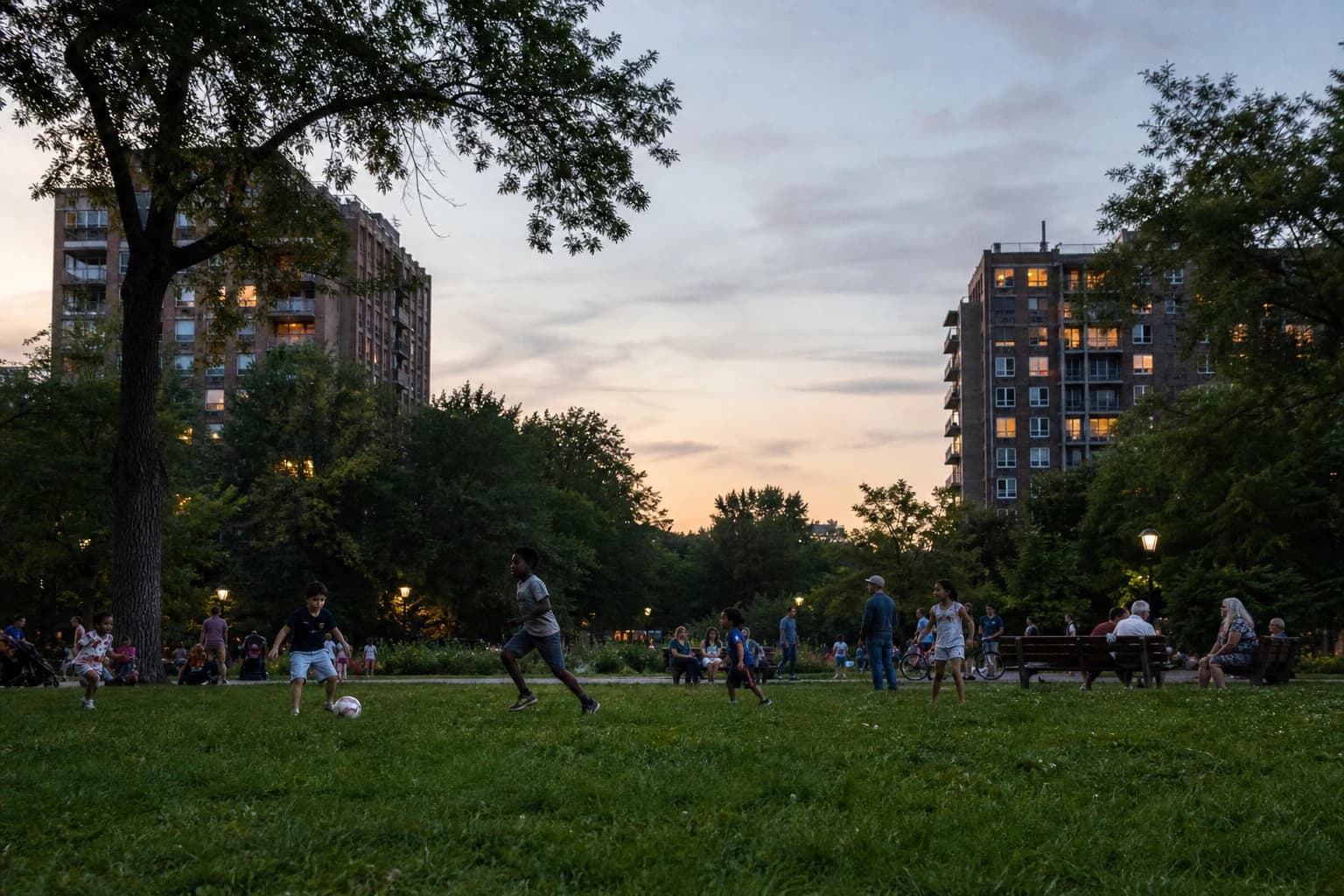
Learn what shapes it, notice where change is needed, and help make room for every community to breathe easier.